Acknowledgment
fourth test
City of Clarence pays respect to all First Peoples, including the Mumirimina (mu mee ree mee nah) of the Oyster Bay Nation whose unceded lands, skies, and waterways we are privileged to conduct our business on.
We pay respect to Elders past and present, and we acknowledge the survival and deep spiritual connection of the Tasmanian Aboriginal People to their Country, and culture; a connection that has endured since the beginning of time.
Read our Reconciliation commitment.
Welcome Message
Congratulations on your election to the City of Clarence.
As a Councillor, you have been entrusted by your community to help shape the future of our city. This is both a privilege and a significant responsibility. Your role will involve representing the interests of the community, contributing to strategic decision-making, and helping to ensure the long-term wellbeing and prosperity of Clarence.
Whether you are serving your first term or returning to Council, this online handbook has been developed to support you in understanding your role, responsibilities and obligations as an elected member. It provides practical information, key contacts and guidance to help you navigate your term of office and work effectively within the legislative and governance framework of local government.
We look forward to working with you as we serve our community together and deliver positive outcomes for the people of Clarence.
On behalf of the administration, welcome to the City of Clarence. We wish you every success during your term as a Councillor.
Our History
The City of Clarence is situated on the traditional lands of the Mumirimina people of the Oyster Bay Nation, who have cared for and maintained a deep connection to this Country for thousands of years. The lands, waterways and skies of Clarence hold enduring cultural, spiritual and historical significance for Tasmanian Aboriginal people, whose connection to Country continues today. Evidence of this rich heritage can be found throughout the region, including along our coastline, waterways and significant cultural sites.
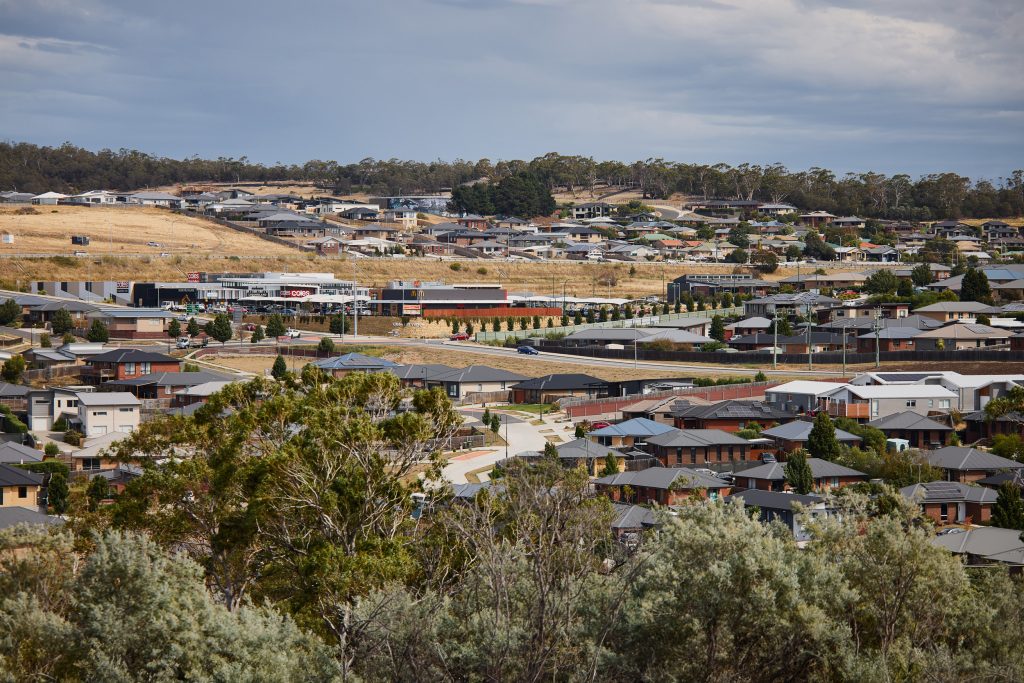
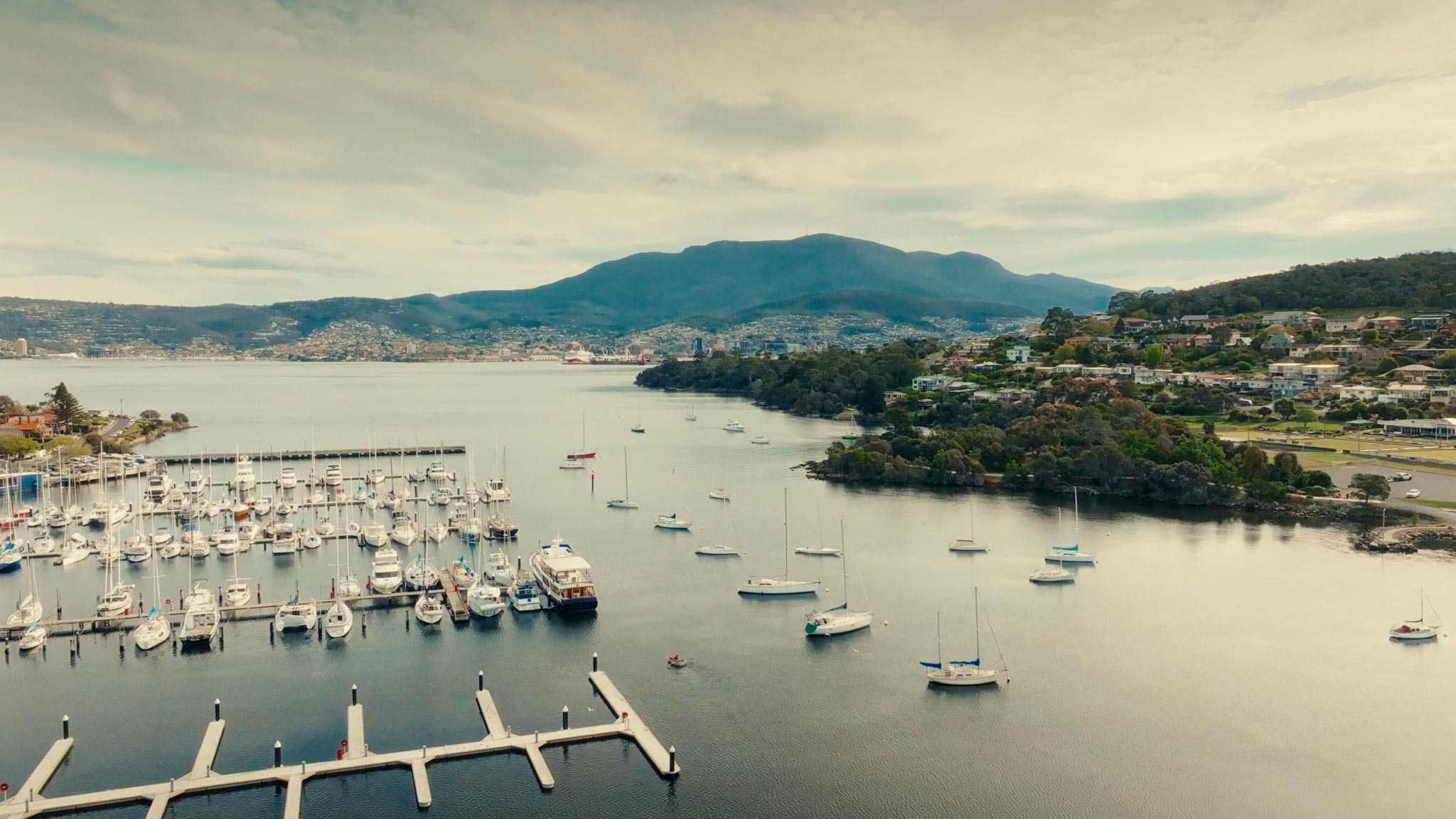
Located on the eastern shore of the River Derwent, Clarence is one of Tasmania’s largest municipalities by population and area. The municipality encompasses active urban centres, established suburbs, rural landscapes, coastal communities and nationally significant natural environments – 32 suburbs in total.
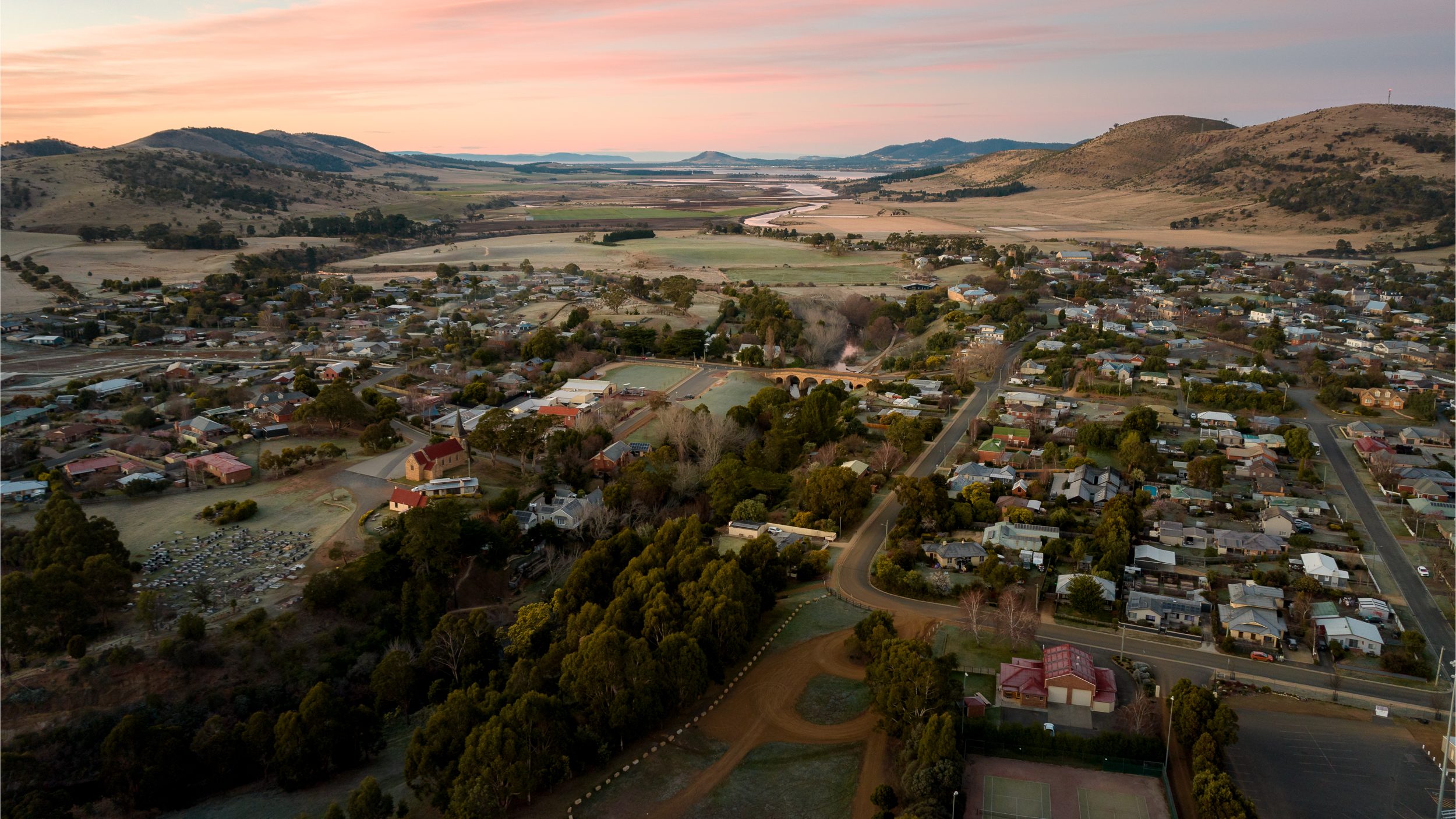
European settlement in the area began in the early nineteenth century following the establishment of the British settlement at Risdon Cove in 1803. Over time, the district grew from a collection of farming and rural communities into a significant local government area serving Tasmania’s growing southern region.
The Municipality of Clarence was proclaimed in 1860 and was later elevated to city status in 1988, recognising its growth and importance within Greater Hobart. Today, the City of Clarence is home to more than 60,000 residents and plays a vital role in Tasmania’s economic, cultural and community life.
With a strong commitment to community wellbeing, environmental stewardship and sustainable growth, the City of Clarence continues to build on its rich history while planning for a vibrant and resilient future.
Clarence – an overview
The City of Clarence is a key residential and service hub within Greater Hobart.
Our economy is closely tied to Hobart’s employment market with many residents commuting to Hobart for work. Nonetheless, Clarence is home to over 4800 businesses and has a Gross Regional Product of $3.61 billion and provides employment for over 25,000 people. Construction is our largest employer, followed by health care and social assistance services.
Our municipal area is characterised by the following:
- a population of over 64,000 people, the second most populated local government area in Tasmania
- over 25,000 private dwellings, reflecting our predominantly suburban residential character
- a median age of 41 years
- higher proportion of medium to high-income households when compared to Greater Hobart (average income) and Tasmania overall, resulting in comparatively higher levels of household disposable income. Notwithstanding this, there are suburbs in Clarence with very low SEIFA* rankings indicating relative socio-economic disadvantage.
- steady population growth driven by housing availability, lifestyle appeal including access to beaches, a variety of coastal and open space activities, sports facilities, schools, and proximity to Hobart
- commercial centres, including Rosny Park, serving as key service hubs for the eastern shore, providing access to retail, banking, health and professional services, and Cambridge Park, a major industrial and trade services precinct supporting construction, manufacturing, transport and warehousing
- Hobart Airport is a significant economic asset, supporting aviation, freight, inbound visitation and related services
- key destinations such as Bellerive Oval (Ninja Stadium) and the highly regarded Richmond and Coal River Valley attract substantial visitor activity and contribute to Clarence’s cultural identity, tourism appeal and economic vitality
- the increasing prominence of golf is further enhancing the municipality’s tourism and recreation offering and strengthens Clarence’s appeal as an active lifestyle destination.
* Social-Economic Indexes for Areas, Australian Bureau of Statistics 2021