
Engaging with the community
Community engagement is a fundamental part of the role of Councillor. Through conversations, meetings, events and other interactions, Councillors help build relationships with the community, understand local issues and ensure diverse community perspectives are considered in Council decision-making.
As a Councillor, you are often one of our most visible representatives. Members of the community may approach you to raise concerns, share ideas, seek information or provide feedback about Clarence services and projects.
Effective community engagement involves:
- listening respectfully to different views and perspectives
- being approachable and accessible – your contact details will be available on the City of Clarence website
- seeking to understand differing points of view to help inform your decision making
- communicating honestly and transparently
- encouraging constructive participation in council processes
- considering the interests of the broader community as well as the long-term impact of Council decisions.
While Councillors play an important role in listening to community concerns, it is important to remember that the views of any individual or interest group is one part of the broader community perspective. Councillors are expected to make decisions, which in your view are in the best interests of Clarence and community as a whole.
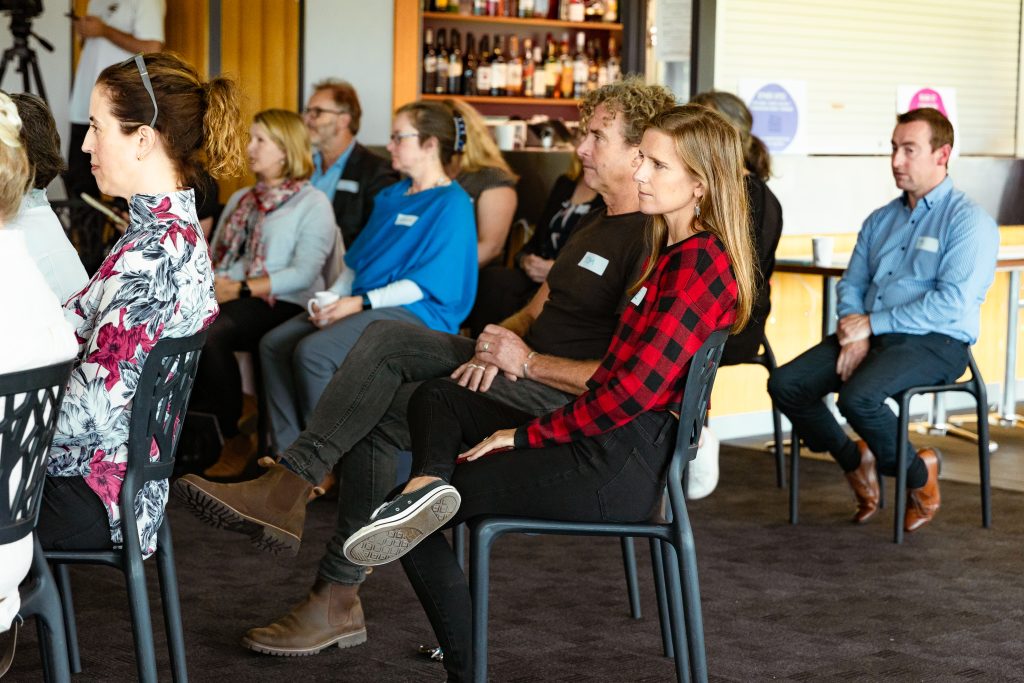
Engagement framework
City of Clarence is committed to meaningful community engagement and involving the community in decisions that affect them beyond our legislated obligation. This means inviting people who live, work, study and spend time in Clarence to be part of our planning and decision-making.
Our engagement practices are guided by our Community Engagement Policy 2020 and Stakeholder and Community Engagement Framework. Our Engagement Code of Conduct also supports our public activities.
Process of community engagement.
City of Clarence uses the term ‘community engagement’ rather than ‘community consultation’. Using the broader term community engagement more accurately reflects the range of approaches available to council and avoids creating expectations about the level of influence the community will have on a particular decision. This approach is consistent with the Engagement Institute’s Public Participation Spectrum.
While Councillors play an important role in listening to and representing their communities, formal community engagement is undertaken by City of Clarence to ensure it is consistent, impartial and accessible.
Community engagement may take many forms, including:
- public exhibitions and consultation processes
- community surveys and feedback opportunities
- workshops and information sessions
- advisory groups and stakeholder engagement
- via the online engagement platform – Your Say– and other digital engagement tools.
The level of engagement undertaken will vary depending on the nature, complexity and impact of the matter being considered. A community engagement may simply provide information, seek feedback through consultation, involve the community more deeply, collaborate on solutions or, in limited circumstances, empower the community.
As a Councillor, you are encouraged to support and promote opportunities for community participation.
Representing community views in decision making
An important part of your role is understanding and considering community views when making decisions. This involves listening to a range of perspectives and balancing competing interests, while also considering legislative requirements, strategic priorities, financial implications and expert advice.
Councillors are not delegates for individual groups or interest groups. Rather, you are elected to make decisions that are in the best interests of the entire Clarence community.
When considering community views, it is important to:
- listen to diverse perspectives
- consider both expressed and broader community interests
- remain open-minded and objective
- base decisions on available information and evidence
- balance community feedback with council’s strategic and legislative responsibilities.
Effective decision-making requires Councillors to consider all relevant factors, not solely the views of the most vocal stakeholders.
Managing enquiries and feedback
Councillors regularly receive enquiries, requests and feedback from community members. While these interactions provide valuable insight into community concerns, they should be managed in a way that supports transparency, accountability and effective record keeping.
Where a community member raises an operational issue, service request or matter requiring action, Councillors should refer the How to Raise a Matter section.
Good practice includes:
- recording key details of enquiries where follow-up is required
- referring operational matters through established council channels
- avoiding making commitments on behalf of council or council officers
- respecting privacy and confidentiality requirements
- keeping community members informed about the appropriate process for their enquiry.
Accurate record keeping helps ensure matters are appropriately managed, responses are coordinated, and important community feedback is captured to support service improvement and decision-making.
Clarence — Akkeshi Sister City relationship
Sister City programs provide an important way for Australian cities to connect with communities around the world. They foster cultural understanding, educational opportunities, economic cooperation, and enduring networks that benefit both partners.
The sister city relationship between City of Clarence and Akkeshi was formally established on 9 February 1982 after (Ms) Masako Endo, a Japanese writer and researcher who studied early historical connections between Japan and Australia, investigated the potential for establishing an international partnership with Clarence during a visit to Tasmania in 1979.
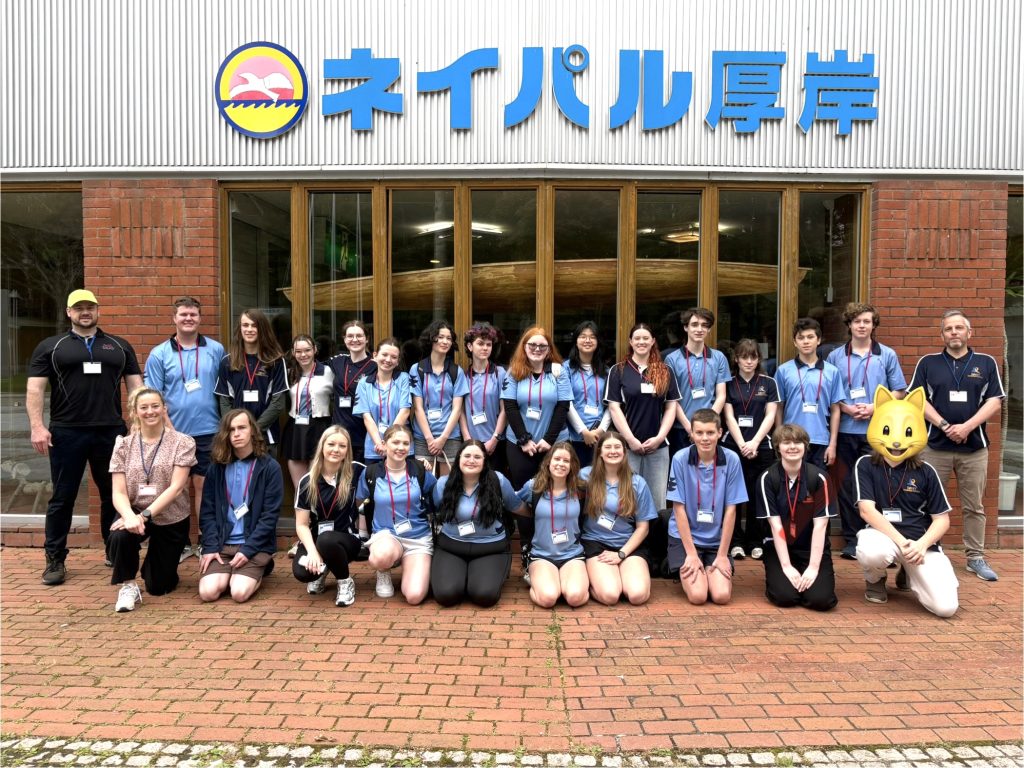
Clarence and Akkeshi share historical and geographic connections dating back to the nineteenth century. In 1850, the crew of the Hobart-registered Eamont was rescued and cared for by the people of Akkeshi after the vessel was wrecked off the coast of Hokkaido, Japan. This event is regarded as one of the earliest recorded links between Australia and Japan.
Our two cities also share notable geographic similarities. Both are located along the 43rd parallel, with Clarence situated near 43 degrees south latitude and Akkeshi near 43 degrees north latitude. Each has a strong maritime heritage centred on fishing, aquaculture, and the waterways that shape local economies and lifestyles.
Australia’s Pacific oyster industry originated with the introduction of Pacific oysters from Japan to Tasmania in 1948. In the past two decades, collaboration between Clarence and Akkeshi has resulted in the sharing of single-seed hatchery and basket-growing technologies from Clarence, supporting the development of oyster hatchery capability in Akkeshi.
Since the agreement was established, Clarence and Akkeshi have participated in numerous exchanges, including council delegations, cultural and educational visits, and oyster industry study tours. The City of Clarence also supports local schools through our Sponsorship of Clarence School Visits to Akkeshi Policy and Framework. This program provides funding towards domestic return airfares within Japan for participating students travelling to Akkeshi and is open for applications from Clarence schools each year between February and April.